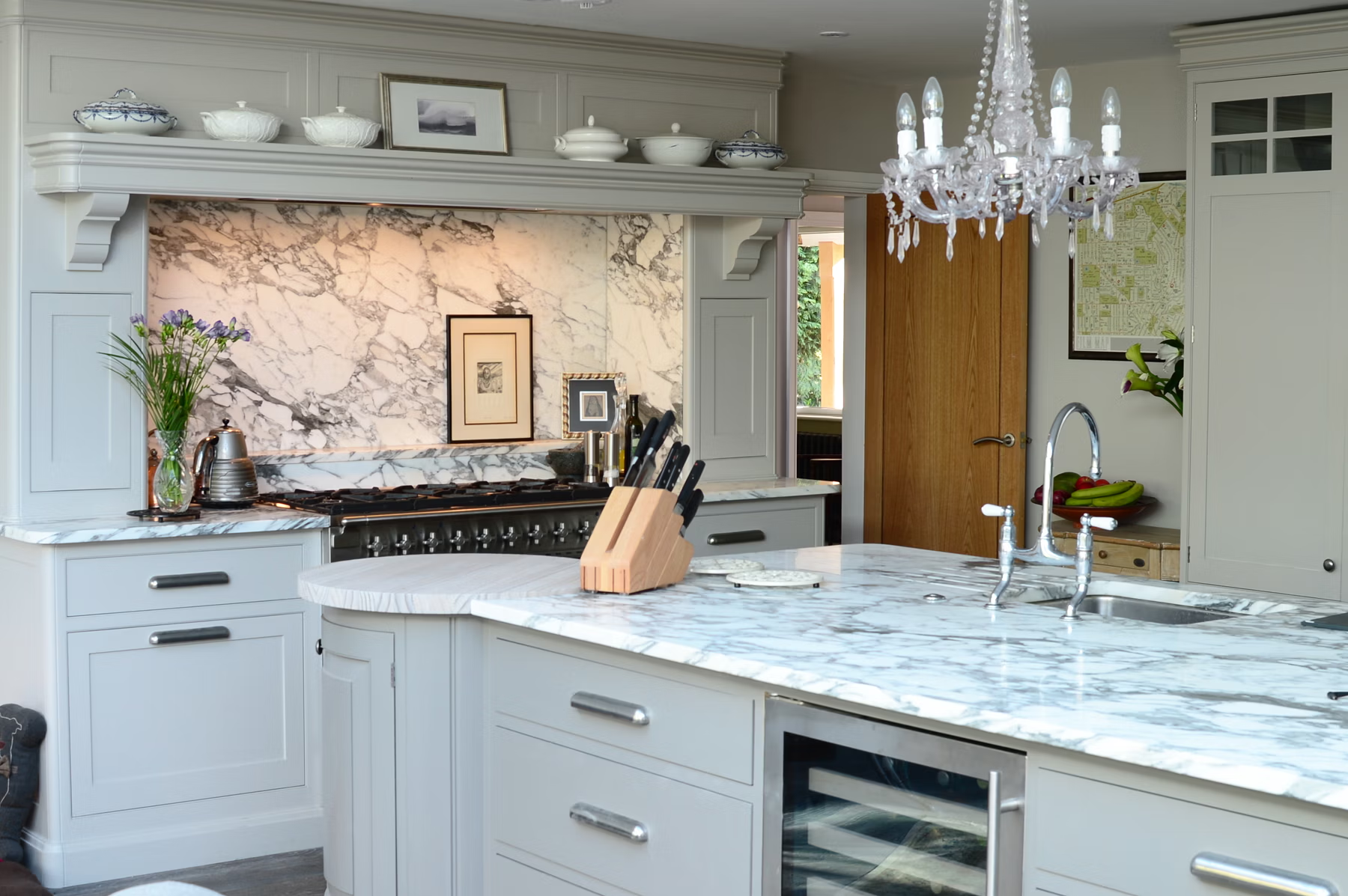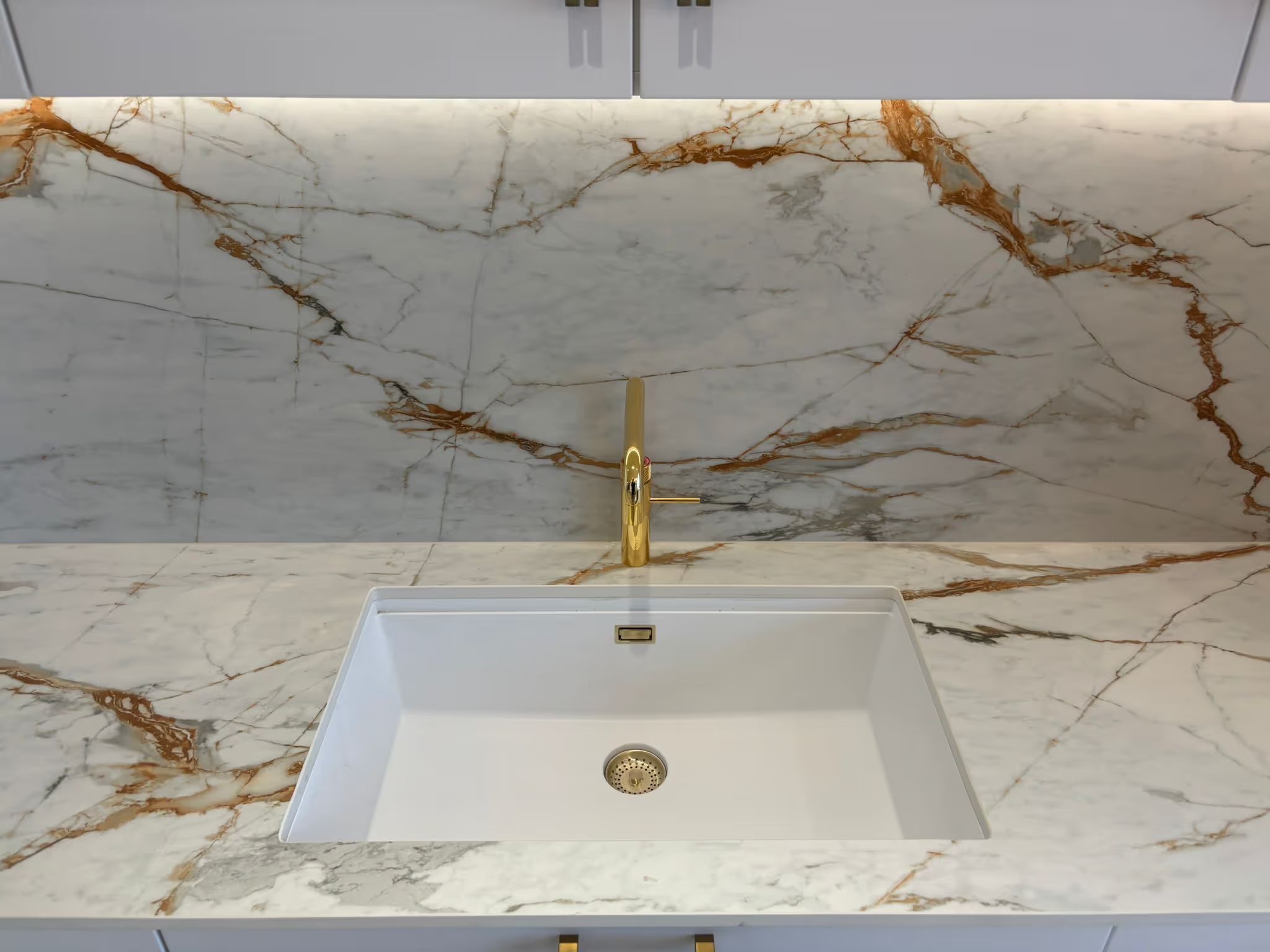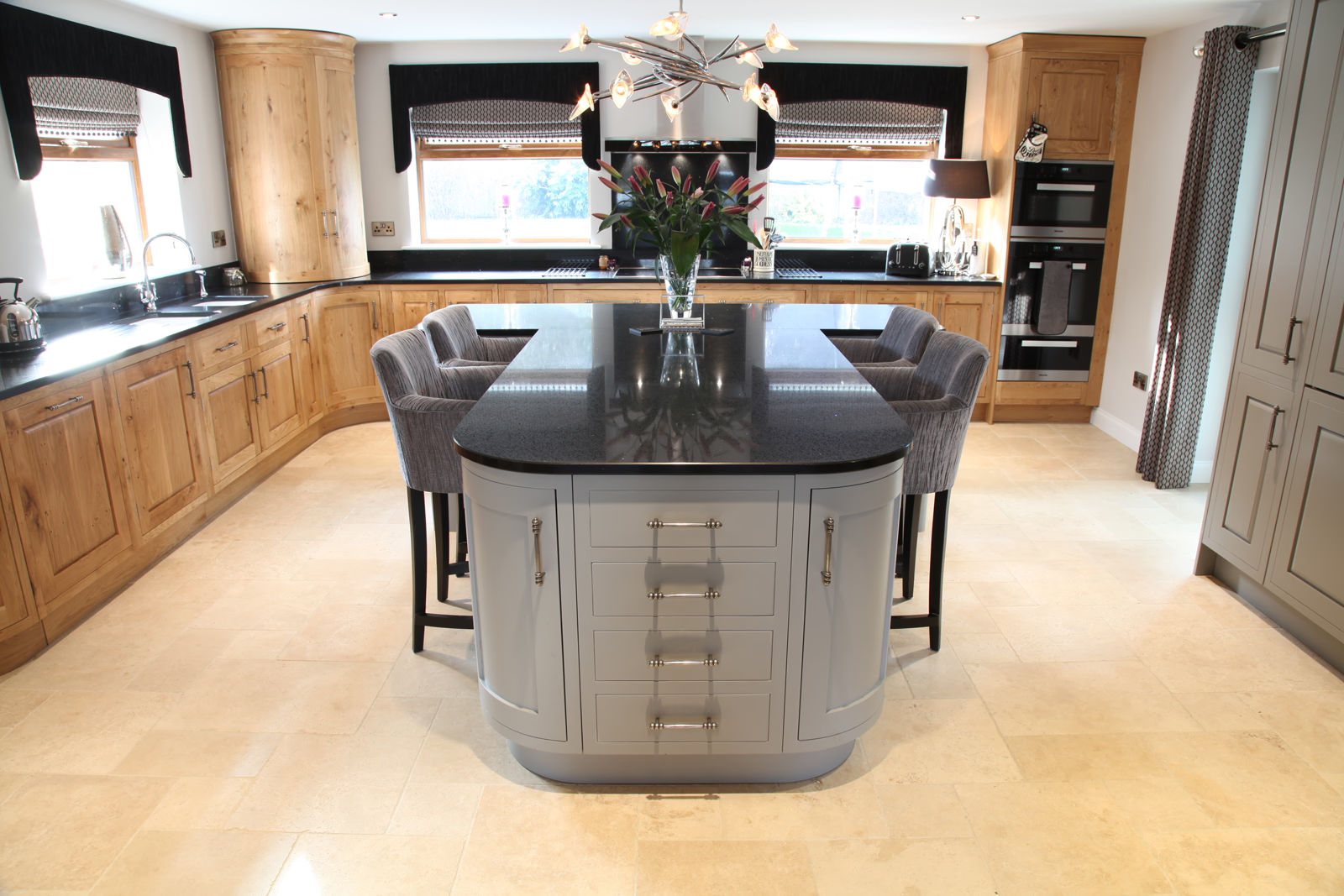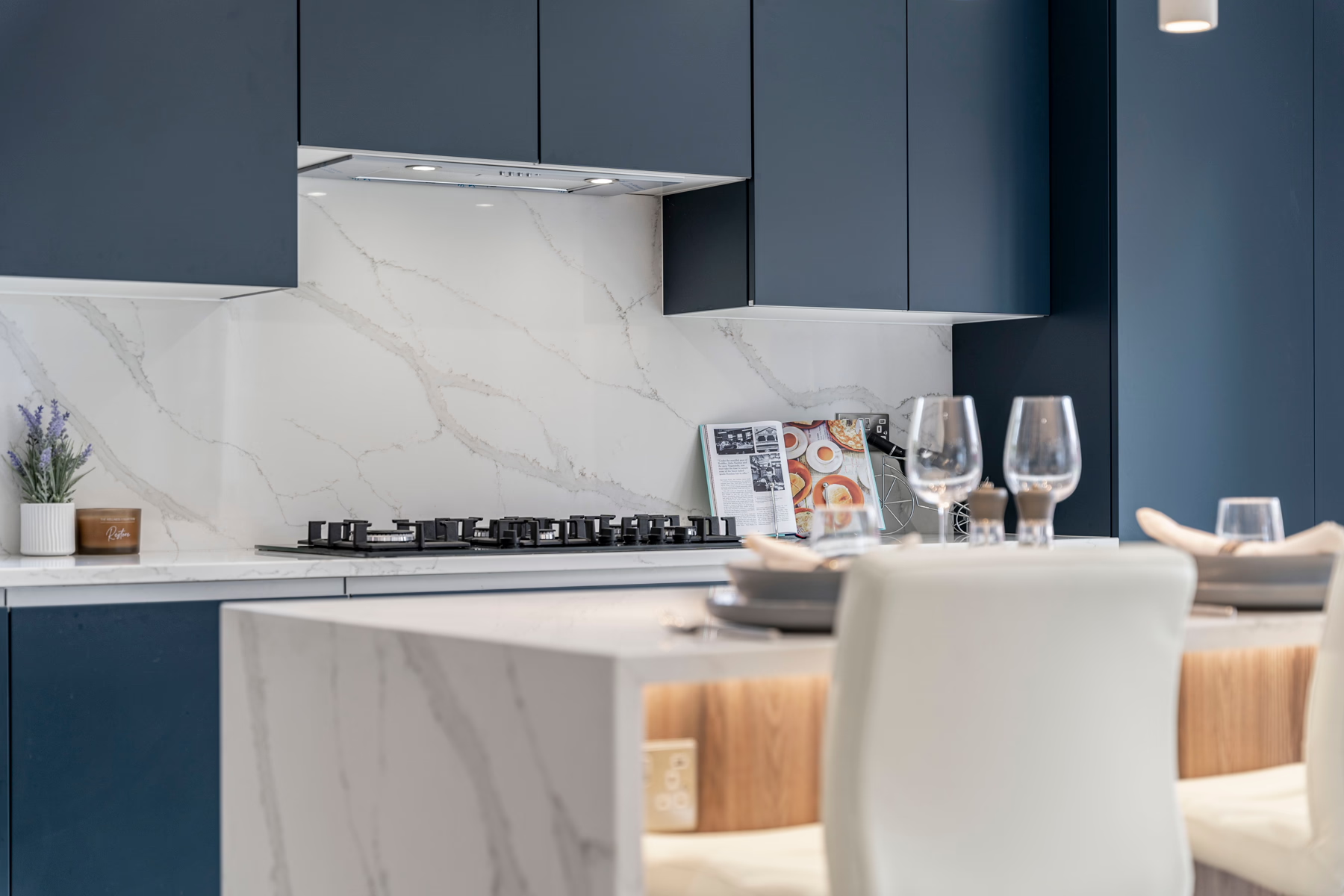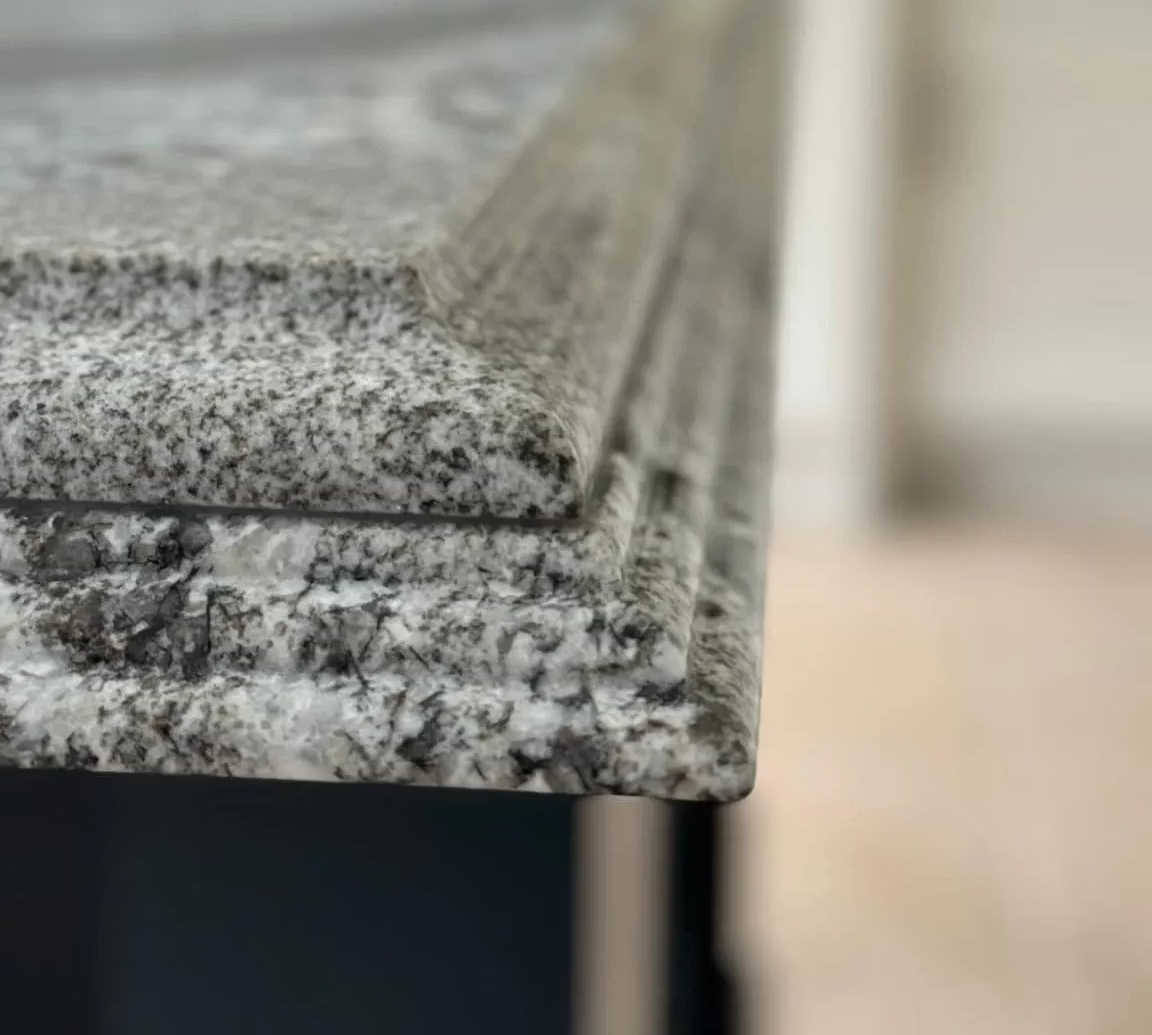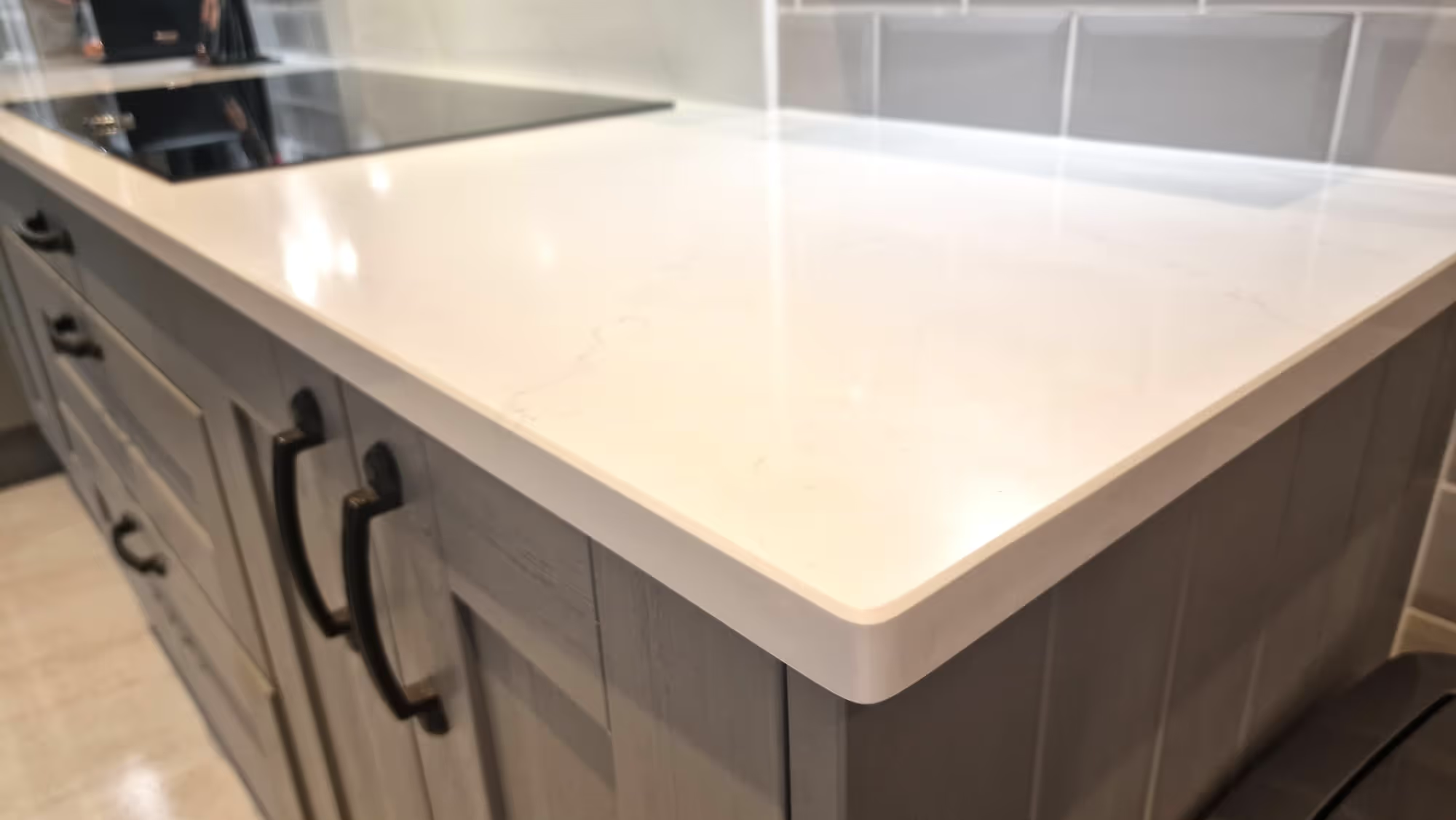
However, quartz worktop thickness is one of the main choices you’ll make when picking out your worktop, and the standard sizes are 20mm and 30mm. But which one do you choose? Is one better than the other? Is there a drastic difference in cost? Well, Bellagio is here to explain all and decide the winner of 20mm vs 30mm quartz worktops.
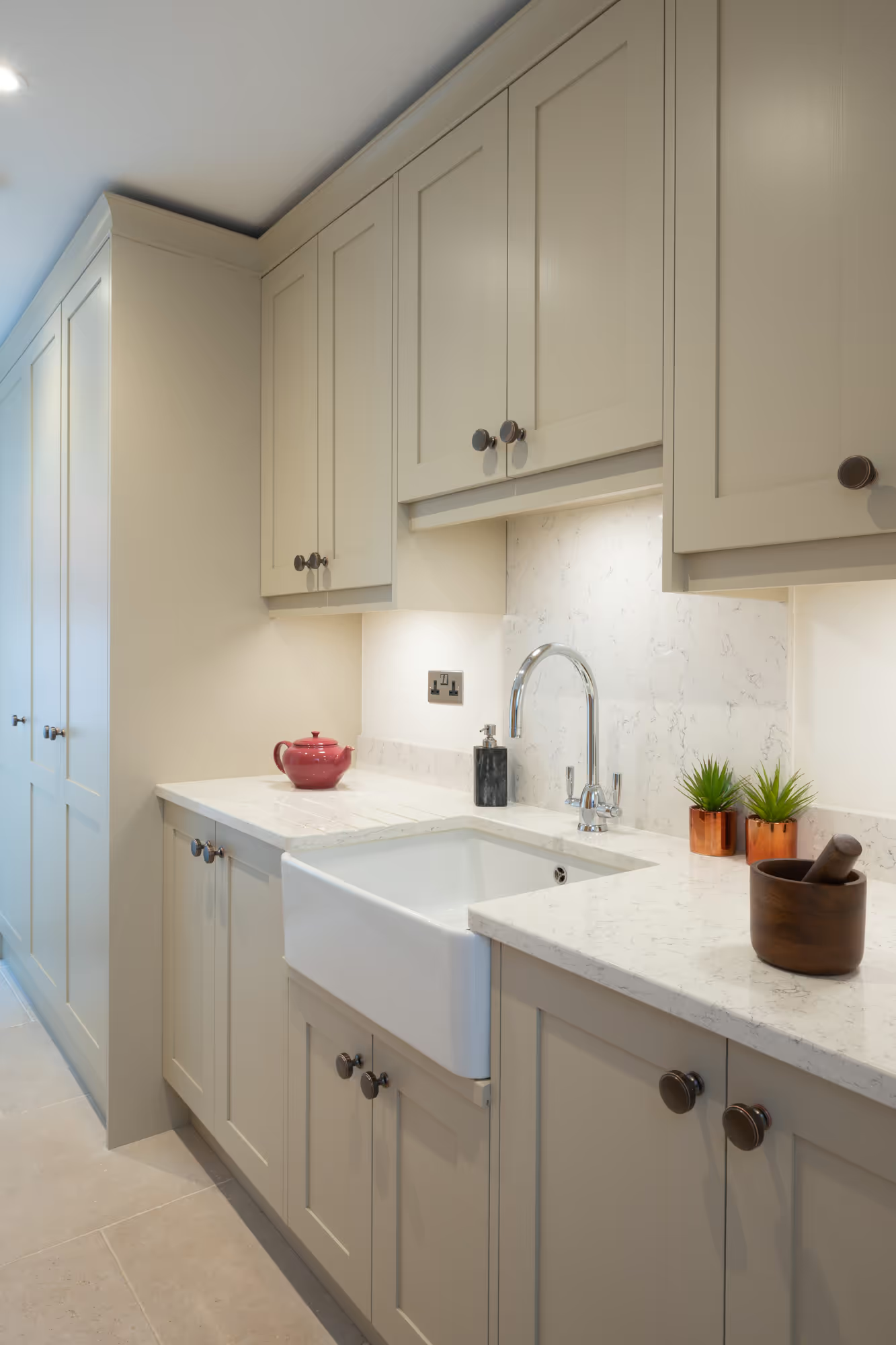
The pros and cons of each quartz worktop thickness
First, let’s explore the pros and cons of both thicknesses and examine why you would choose 20mm or 30mm.
20mm quartz: The pros
Sleekness
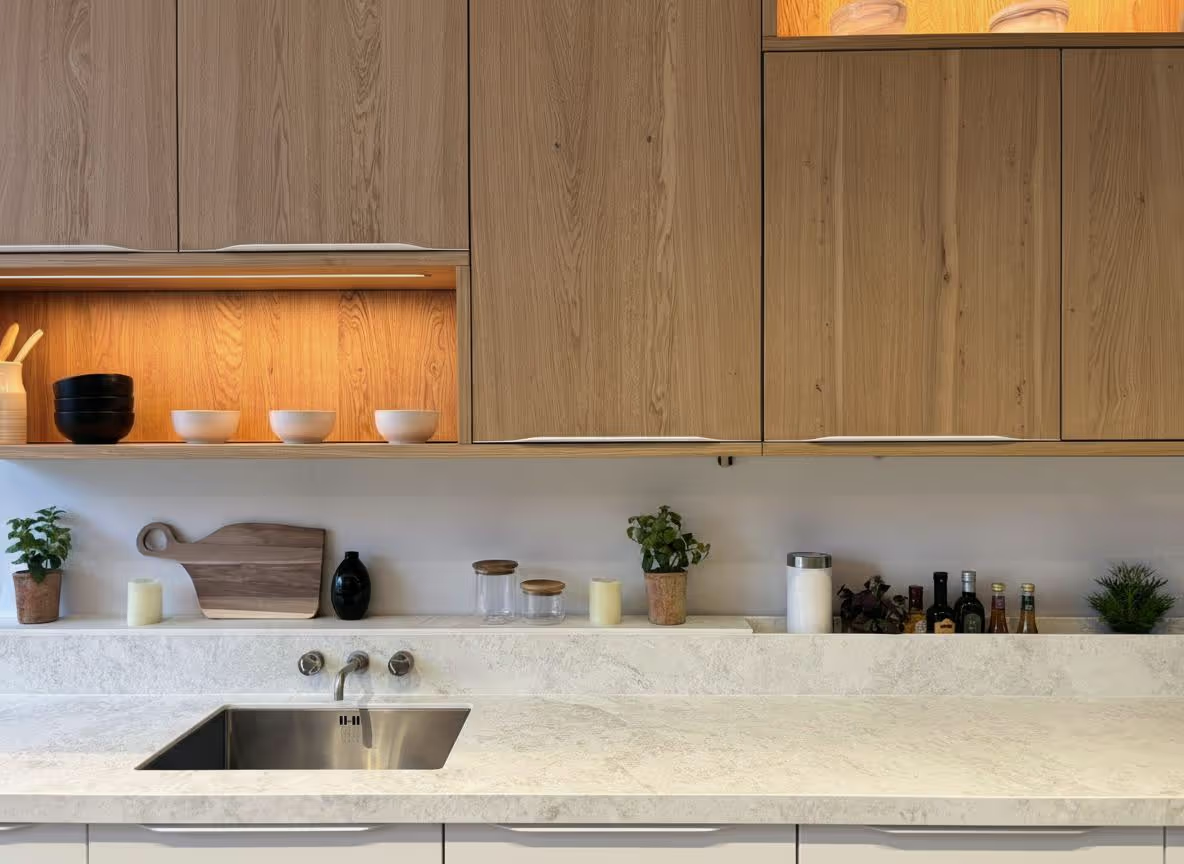
Due to the lower thickness, 20mm quartz worktops are much lighter than their 30mm counterparts, meaning customisation is much easier and a kitchen or bathroom can benefit from a sleeker aesthetic. This thickness is ideal for smaller kitchens as the thickness won’t feel overbearing but will still exude the sophistication and luxury quartz provides.
Cost
With the reduced thickness, expenditures will also be reduced compared to 30mm quartz. With this thickness using less material, manufacturers won’t have to spend so much on production, enabling homeowners to reap the savings on their purchases. Generally, you’ll pay 10-20% less for 20mm quartz slabs per square metre.
Hygienic
Quartz is non-porous, and 20mm worktops are easy to clean and resistant to bacteria, making them a practical choice for households and commercial spaces that are highly conscious of hygiene. Quartz worktops are made to be easy to maintain, so this benefit goes to both 20mm and 30mm varieties.
20mm quartz: The cons
Perceived fragility
While strong, the thinner design may feel less robust compared to the thicker 30mm alternative, especially for heavy-duty use. While there is very little difference in the durability of each worktop, commercial kitchens often benefit from the look and feel of 30mm versions while quieter, domestic kitchens are better suited to 20mm.
Less traditional
If you’re after a more traditional aesthetic for your home, the sleeker, more contemporary 20mm quartz worktop thickness won’t provide a rustic look.
Not as much support
If you’re after a clear overhang for your worktop, 20mm tops cannot span as far unsupported or extend to the same size breakfast bar overhangs as 30mm worktops. Large overhangs are much better suited for 30mm worktops where additional support is needed.
30mm quartz: The pros
Premium aesthetic
While both thicknesses provide a luxury feel to your home, the 30mm thickness is ideal for homes looking for a more traditional, classic design. This also means 30mm quartz accommodates more intricate and decorative edge options, enhancing overall design versatility.
More options for edge profiles
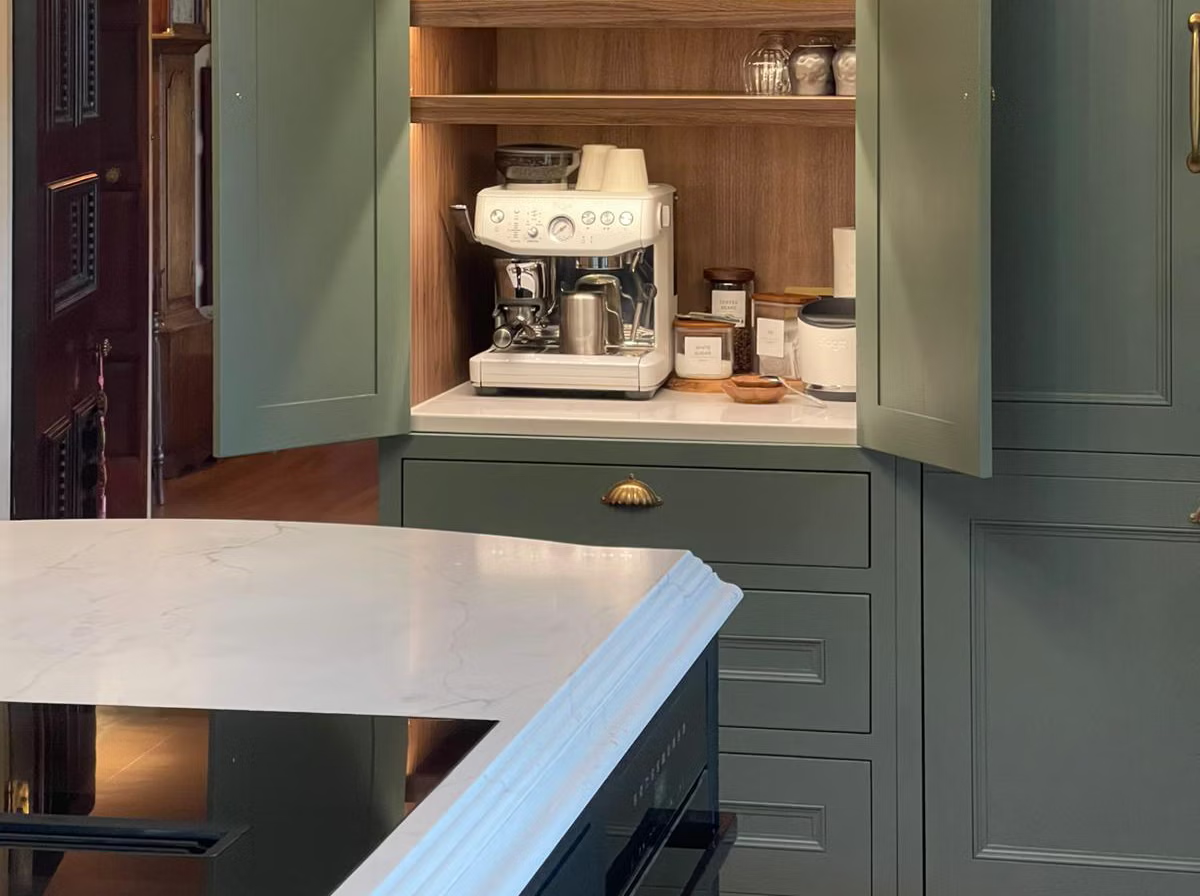
With the added thickness, 30mm kitchen worktops benefit from more options for edge profiles. With the extra 10mm, various folds, waves, bevels and bends can be created, giving kitchens a more unique and distinct look.
Better support
With the thicker product 30mm quartz worktops can handle the more demanding use of commercial and high traffic areas and it can support overhangs of up to 300mm as well as supporting heavier materials in the cabinetry.
30mm quartz: The cons
Higher cost
With more material used and weight added, the cost of 30mm quartz will be more expensive than the 20mm thinner option. The overall cost will also depend on the size, design and brand, with many choices out there boasting elegant and unique veining and patterns.
Too thick for splashbacks
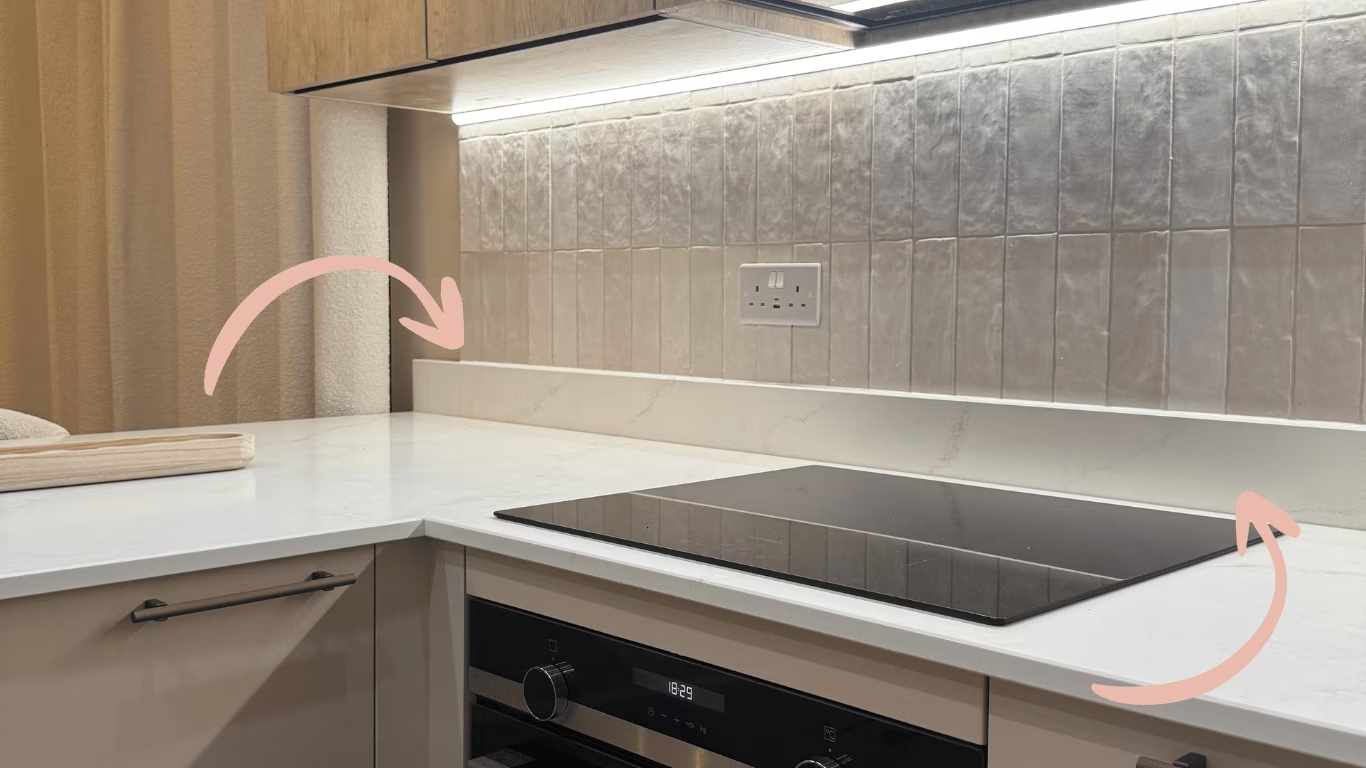
If you were thinking of having both 30mm quartz worktops and a splashback to complement them, you won’t be having the 30mm thick slabs for both. 30mm is too thick for splashbacks and will limit where you can install the upstands or wall cladding.
Reduced flexibility
Because of the more traditional visuals of 30mm quartz worktops and the visible addition to thickness, smaller homes may feel more constricted and claustrophobic. The bulkier appearance is ideal for those looking for a traditional aesthetic and reduced design flexibility in this regard.
20mm vs 30mm quartz: Bellagio have both
There is no clear winner between these two options, they both have unique benefits and disadvantages which will help shape your decision. Think about design preferences, the frequency of use and your budget when making your decision. If you need any more guidance on which quartz worktop thickness would be best for your home, Bellagio is here to help.
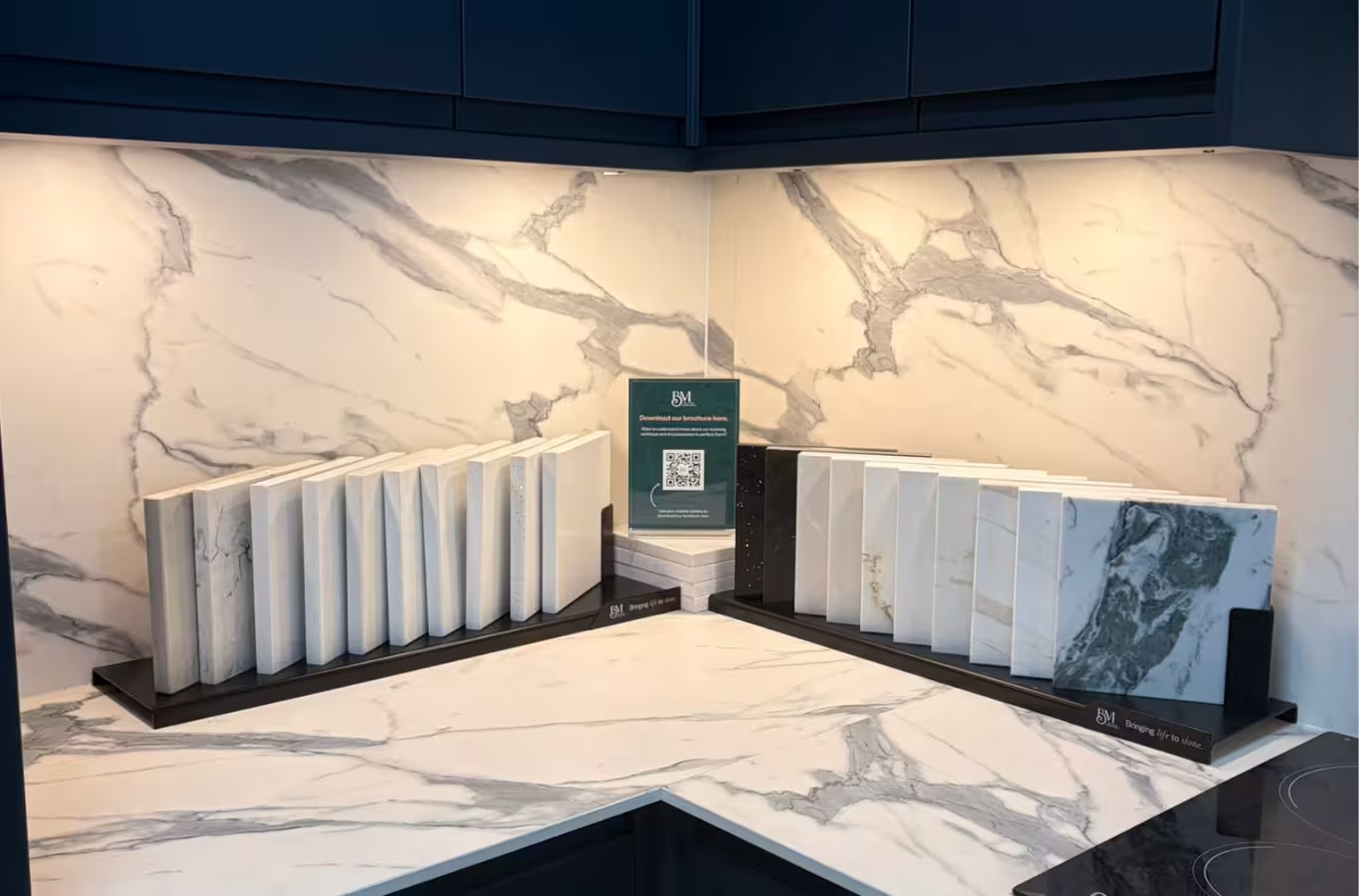
We have a dynamic range of quartz worktops available in both 20mm and 30mm thicknesses and can expertly recommend which one will be best for you. We also have a showroom in Warwick if you want to view our range in person, providing you inspiration for your next home project.

-Edited.avif)


.avif)

%20waterfallOgee.avif)

.avif)